
Blog in Public.
Technical notes from the OpenViking team — on agents, protocols, and the systems behind them.

Let the Agent Turn the Page: Codex-Style Context Management on Pi, Backed by OpenViking
Codex now lets the model decide when a context window ends. We rebuilt the mechanism on Pi with OpenViking’s existing session archive, and a model with no training for it finished a task larger than one window.

Memory That Follows You: OpenViking × Agent Harness
A demo of memory across Claude Code, Codex, and two Python projects, with a written guide, session recording, and timestamps.

OpenViking Now Supports Agent Plugins 1.0
One portable package brings OpenViking memory to ChatGPT, Codex, Cursor, GitHub Copilot, Kiro, and VS Code — no more per-client plugins.

From Assistant to Colleague: Building Multi-User Agents with OpenViking's Peer Mode
Standard AI memory breaks in group chats. Learn how OpenViking’s Peer Mode decouples identity from context, turning passive bots into true team colleagues.

Agent Swarms Don’t Lack Scale — They Lack Memory
Field notes from Agent Hub, a persistent space shared by humans and heterogeneous agents: hosting memory and identity so a resident stays itself through restarts—and even a brain transplant.
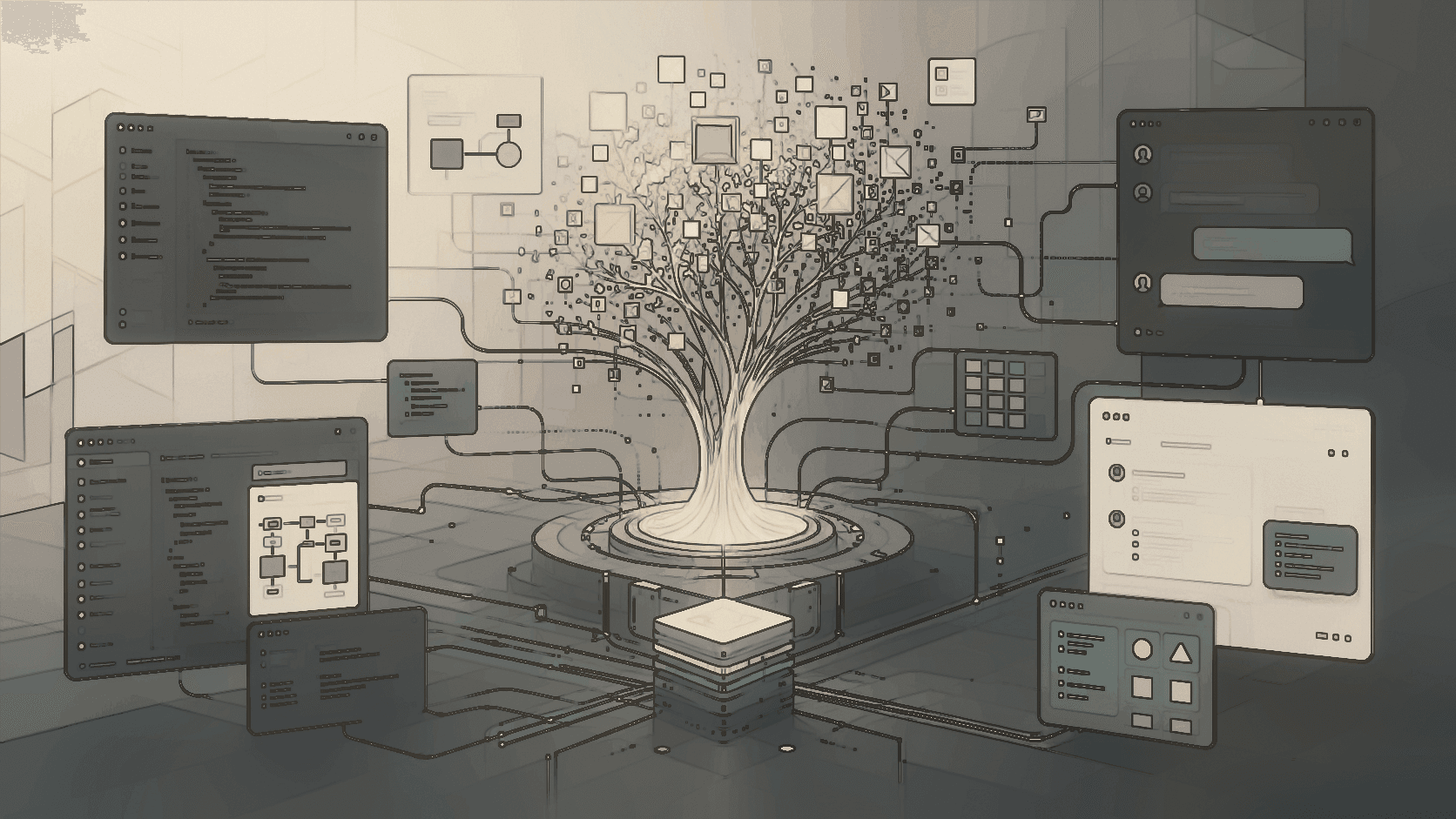
Stop Teaching Every Agent From Scratch
How OpenViking turns frontend design preferences, project decisions, and agent handoffs into shared long-term memory.

OpenViking User / Peer: Separating Data Owners From Interaction Objects
Why OpenViking moved from a User / Agent mental model to User / Peer, and how one agent can serve many people without turning every participant into an OpenViking user.
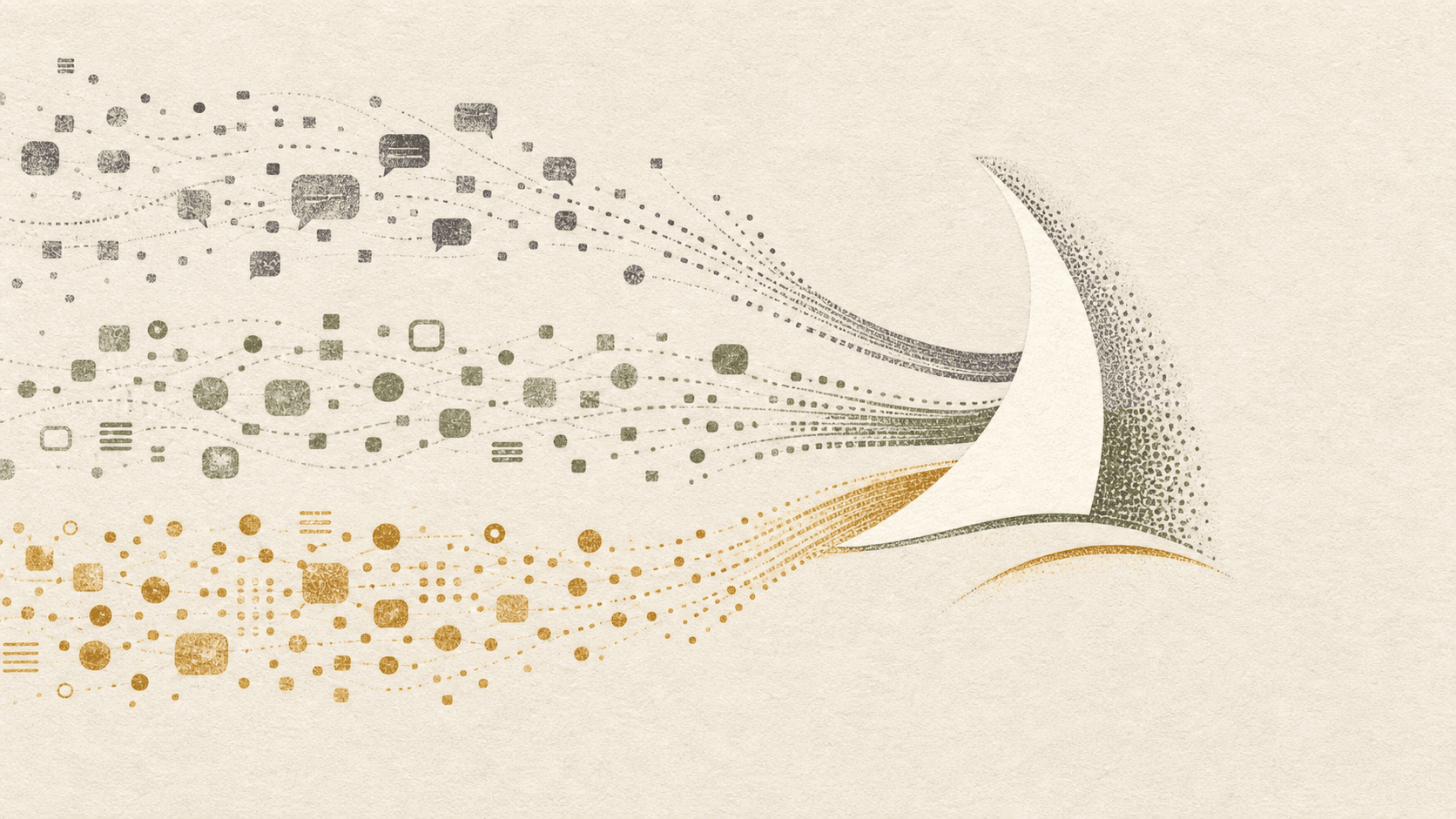
OpenViking Benchmark Update: User Memory, Agent Memory, and Knowledge Base QA
May 2026 OpenViking benchmark update across LoCoMo user memory, ClawWork and tau2-bench agent memory, and HotpotQA / single-turn RAG knowledge-base QA.

OpenViking for the Too Many Agents Problem
A practical OpenViking deployment and Web Studio walkthrough for sharing context across Claude Code, Codex, Hermes Agent, Manus, Lovable, Cursor, and MCP clients.

VikingBot: When Agent Memory Starts Changing Strategy
A bilingual rewrite of the VikingBot werewolf experiment, showing how OpenViking turns multi-agent chat history into durable, inspectable, strategy-changing memory.

OpenViking for Claude Code & Codex: Give Your Coding Agent Persistent Memory
One command gives Claude Code and Codex persistent, cross-session memory powered by OpenViking. Experience automatic knowledge accumulation, semantic recall, and multi-platform sharing.
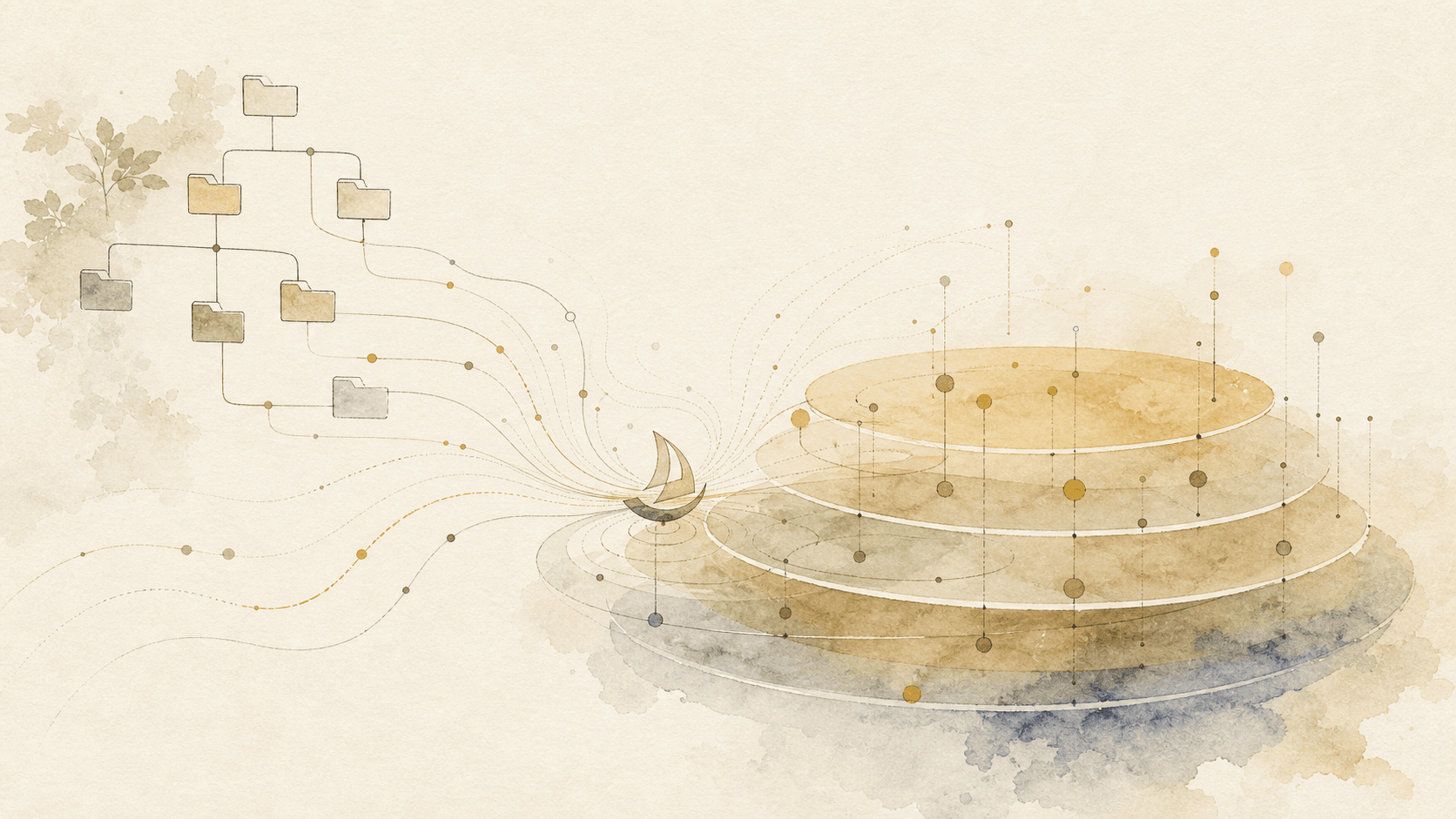
OpenViking: Inside the Context Database Architecture
How OpenViking turns directory semantics, distributed storage, identity, performance, and privacy into a context database layer for AI agents.

Building an Agent Daemon
Four runnable demos plus one OpenViking integration step that turn a CLI agent into a managed daemon with message delivery and shared durable context.

OpenViking: The Database Paradigm for Context Engineering
How OpenViking turns context engineering into a database-shaped interface for agents.